Can a Drug Charge Be Dropped in Florida?
In Florida, common drug charges include possession, possession with intent to sell, trafficking, manufacturing, and prescription fraud. Possession is the most frequent charge and can involve small amounts of illegal substances. More serious offenses like trafficking carry mandatory prison sentences, especially when large quantities of drugs are involved.
Sometimes, a drug charge can be dropped if the evidence against you is weak, was gathered illegally, or if you had no knowledge or control of the drugs. Legal defenses such as illegal search and seizure, lack of possession, or entrapment can also lead to charges being dismissed. Prosecutors may also drop charges if you participate in drug diversion or rehabilitation programs.
If you are facing a drug charge in Florida, a skilled criminal defense lawyer can protect your rights and guide you through the complex legal process. They will review the evidence, challenge improper police conduct, and work to build the best defense possible. From arrest to trial or plea negotiations, having an experienced attorney improves your chances of getting charges reduced or dropped.
Key Takeaways
- Drug charges can sometimes be dropped in Florida. It depends on the strength of evidence, procedural errors, and law enforcement conduct.
- Insufficient evidence is a common reason for dismissal. If the prosecution lacks proof beyond a reasonable doubt, charges may be dropped.
- Illegal search or seizure can lead to dropped charges. Violations of your Fourth Amendment rights can exclude key evidence, weakening the case.
- First-time offenders may qualify for diversion programs. These programs can result in charges being dropped after successful completion.
- Prosecutors may offer plea bargains. Sometimes charges are reduced or dismissed in exchange for a guilty plea to lesser offenses.
- Legal representation is critical. Experienced criminal defense attorneys know how to identify weaknesses and advocate for dismissal or reduced charges.
Common Types of Florida Drug Charges
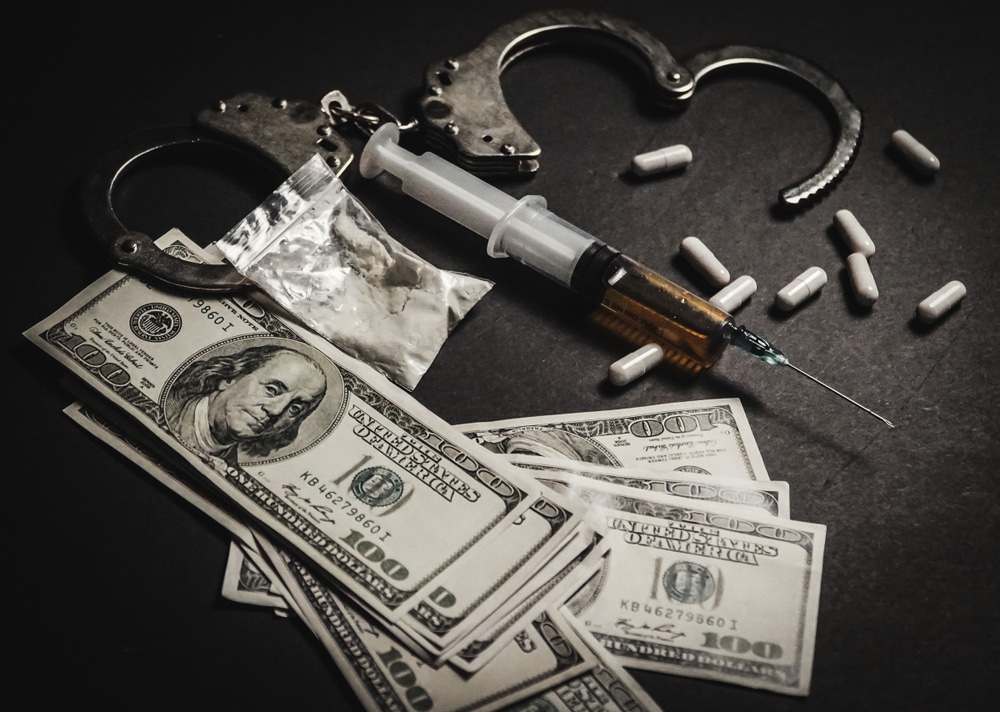
In Florida, drug charges are taken very seriously and can carry harsh penalties upon conviction. The most common types of drug charges involve possession, distribution, trafficking, manufacturing, and prescription fraud. Each charge has its legal definition and set of consequences, and the severity often depends on the type and amount of drug involved.
Drug possession is one of the most frequent charges in Florida. It means a person knowingly had a controlled substance for personal use. Simple possession usually involves smaller amounts of drugs like marijuana, cocaine, or methamphetamine. Possession can be classified as either actual (the drug is found on the person) or constructive (the drug is in a place the person controls, like their car or home). Even first-time offenders can face jail time, probation, and mandatory drug counseling.
Possession with intent to sell or distribute is a more serious charge. If someone is caught with a large amount of drugs, packaging materials, scales, or large sums of cash, police may assume the person intended to sell the drugs. Depending on the circumstances, this offense is classified as a felony rather than a misdemeanor in Florida and carries much higher penalties than simple possession.
Drug trafficking is one of the most severe drug-related charges in the state. Trafficking means the individual had a large quantity of drugs, which exceeds a certain legal threshold. For example, possession of just 28 grams of cocaine can be considered trafficking under Florida law. Trafficking charges usually come with mandatory minimum prison sentences, which can range from three years to life depending on the drug and amount involved.
Drug manufacturing and cultivation involve producing illegal substances. It can include growing marijuana plants or operating a meth lab. These charges are felonies and can lead to long prison terms, especially if the manufacturing was done near schools, parks, or other protected areas.
Prescription drug fraud has become increasingly common in Florida, especially involving opioids like oxycodone. This charge applies when someone forges prescriptions, “doctor shops” to get multiple prescriptions, or possesses prescription drugs without a valid prescription. Even though these drugs are legal with a prescription, illegally obtaining or using them is a crime.
Because Florida’s drug laws are complex, it’s vital for anyone facing a charge to consult a knowledgeable criminal defense attorney immediately.
Potential Penalties and Collateral Consequences for a Florida Drug Conviction
A drug crime conviction in Florida can lead to severe legal penalties and long-lasting collateral consequences that affect many areas of a person’s life. Even after serving time or paying fines, the impact of a conviction doesn’t just go away. These consequences can follow someone for years, affecting their job, education, housing, etc.
Legal penalties for drug crimes in Florida depend on the type and amount of drug, as well as the nature of the offense. For example, simple possession of a controlled substance like cocaine or methamphetamine is usually a third-degree felony. It can result in up to five years in prison, five years of probation, and a $5,000 fine. Possession of a small amount of marijuana, however, may be treated as a misdemeanor, with penalties including jail time, probation, and community service.
More serious charges, like drug trafficking or possession with intent to sell, carry much tougher consequences. Trafficking charges often come with mandatory minimum prison sentences, which means the judge must give a certain amount of prison time if the person is found guilty. These sentences can range from three years to life in prison, depending on the amount and type of drug.
In addition to the legal penalties, there are collateral consequences—the effects a conviction has beyond jail time or fines. One of the biggest consequences is the impact on employment. Many employers perform background checks, and a drug conviction can disqualify someone from certain jobs, especially in fields like healthcare, education, or law enforcement.
Another consequence is the loss of educational opportunities. A person convicted of a drug crime may lose federal student aid, including loans and grants. This can make it challenging to attend college or finish a degree. Some schools may even suspend or expel students who are convicted of drug offenses.
A conviction can also affect housing. Many landlords check criminal backgrounds, and a drug conviction may be a reason to deny rental applications. In public housing, a drug conviction can lead to eviction or denial of assistance.
Driving privileges are also at risk. Florida law allows the state to suspend a person’s driver’s license for a drug conviction, even if the crime wasn’t related to driving. This suspension usually lasts for one year, making it harder to work, attend school, or care for family.
Finally, drug convictions can impact immigration status for non-citizens. Even a minor drug offense can lead to deportation, denial of reentry, or the loss of permanent resident status. For younger defendants, the consequences may differ, since juvenile crimes in Floridaare handled through a separate legal system focused more on rehabilitation than punishment.
Because of the serious legal and personal consequences of a drug conviction in Florida, it’s vital to take any charge seriously. Legal representation can reduce the penalties or avoid a conviction entirely, helping to protect a person’s future.
When Can a Florida Drug Charge Be Dropped?
In Florida, a drug crime charge can sometimes be dropped or dismissed, but it depends on the specific facts of the case and the strength of the evidence against the defendant. Prosecutors have the power to decide whether to continue with the charges, offer a plea deal, or drop the case altogether. A criminal defense lawyer can also use several legal defenses to challenge drug crime charges and potentially get them dropped or reduced.
One common reason a drug charge might be dropped is if the evidence against the defendant is weak or illegally obtained. For example, if the police searched someone’s property or vehicle without a valid warrant or a proper exception to the warrant requirement, the court may throw out the evidence they found. It is called a motion to suppress evidence. Without this evidence, the prosecution might not have enough to prove the case beyond a reasonable doubt, leading to the charges being dropped.
Another situation where a drug charge may be dismissed is if the drugs found do not belong to the defendant. If the defense can show that the drugs were not in the defendant’s possession or control, or if the defendant was unaware of the drugs, then the charge may not hold. This is often referred to as a lack of possession or knowledge defense.
Sometimes, mistakes in the police report or errors during the arrest can also lead to charges being dropped. For example, if the drugs are incorrectly identified or if there was a chain of custody problem where the evidence was mishandled, the prosecution might decide not to pursue the case.
Entrapment is another legal defense that can be used in some drug cases. Entrapment happens when law enforcement officers trick or pressure someone into committing a drug crime they otherwise would not have committed. If the defense can show entrapment, the case might be dismissed.
In some instances, prosecutors might decide to drop charges if the defendant agrees to participate in a drug diversion program or other rehabilitation efforts. Florida courts sometimes offer first-time offenders the chance to enter programs focusing on treatment rather than punishment. Completing such a program can lead to the charges being dismissed.
Insufficient evidence is often the main reason a drug charge is dropped. Prosecutors need solid proof that the defendant knowingly possessed or distributed drugs. The case may not go forward if that proof is lacking or contradictory.
How Can a Lawyer Help You Get Your Florida Drug Charge Dropped?
A skilled Florida criminal defense attorney can be an invaluable ally if you are facing drug charges. Drug crimes in Florida come with severe penalties, and the legal process can be complicated and overwhelming. Having an experienced lawyer by your side can significantly increase your chances of getting your charge dropped or reduced. From the moment you are arrested through the entire court process, a defense attorney will work to protect your rights and build a strong defense tailored to your case.
One of the first ways a defense attorney can help is by reviewing the details of your arrest and the evidence the prosecution has against you. They will investigate whether your rights were violated during the arrest or police search. For example, if the police did not have a valid warrant or probable cause to search your vehicle or home, your lawyer can file a motion to suppress evidence. It means that any drugs or items obtained illegally may be excluded from the case. Without key evidence, the prosecution might have to drop the charges.
In addition to attacking the evidence, a skilled defense attorney will look for legal defenses that apply to your case. For example, they may argue that you did not possess the drugs or were unaware they were present. If there is a chance you were entrapped by law enforcement—meaning officers pressured or tricked you into committing a crime—the lawyer can use that as a defense to get charges dropped.
Your attorney will also negotiate with the prosecutor to try to get your charges reduced or dropped in exchange for participation in a drug diversion program or rehabilitation. These programs focus on treatment and recovery rather than punishment and can be a path to having your record cleared. A good lawyer knows when these options are available and can advocate for you to receive this kind of opportunity.
Your attorney will guide you throughout the criminal process, from your initial court appearance to trial or plea negotiations. They will clearly explain your rights and options, answer your questions, and help you make informed decisions. They will also represent you in court, arguing and ensuring your voice is heard.
A skilled Florida criminal defense attorney understands how stressful drug charges can be and provides legal skill and support. They will work to reduce the impact of the charge on your life and fight to protect your future.
FAQs
Q: Why do I need a lawyer if I want my drug charge dropped in Florida?
A: A criminal defense attorney understands complex Florida drug laws and can identify procedural errors or weak evidence that may lead to dismissal. They can negotiate with prosecutors and build a strong defense tailored to your case.
Q: Can all drug charges be dropped?
A: Not all. Charges might be dropped if evidence is lacking or illegally obtained. However, serious offenses or repeat charges are less likely to be dismissed.
Q: What is a diversion program?
A: It’s a court-approved program for first-time offenders involving counseling, drug testing, and education. Successful completion can result in dropped charges.
Q: How long does it take to get a drug charge dropped?
A: It varies. Some cases resolve quickly if the evidence is weak, while others take months through negotiations or pretrial motions.
Q: Does dismissal mean the charge is erased?
A: No. Dismissal ends the case, but the arrest record may remain unless you pursue sealing or expungement. If you’re wondering specifically if you can expunge a criminal record in Florida, the process is separate and requires meeting eligibility rules.
Talk with a Skilled Florida Criminal Defense Attorney Today

If you are currently facing a drug crime in Florida, you need a knowledgeable criminal defense lawyer by your side throughout the proceedings. Your attorney can review the charge(s) against you, determine possible legal defenses, and try to get the charge(s) dropped. They can also negotiate with prosecutors, represent you during legal proceedings, and fight for the best possible result in your drug case.