
How Are Juvenile Crimes Handled in Florida?
In Florida, juvenile crimes are handled through a separate legal system focused more on rehabilitation than punishment. When a minor is accused of a crime, the case is typically handled in juvenile court, which follows different procedures from adult court. The goal is to correct behavior, provide support, and prevent future offenses. However, severe or repeat offenses can still lead to harsh penalties, including placement in a juvenile detention center or even being tried as an adult in certain cases.
Working with a skilled juvenile criminal defense attorney is vital if you or your child is facing a juvenile charge. An experienced lawyer understands how the Florida juvenile justice system works and can protect your rights throughout the process. They can negotiate for reduced charges, diversion program entry, or case dismissal. Most importantly, a knowledgeable attorney can help you or your child avoid long-term consequences and guide you toward the best possible outcome for your future.
Key Takeaways
- Juvenile crimes in Florida are handled differently from adult crimes. The focus is on rehabilitation rather than punishment.
- Cases are processed through the juvenile justice system, not criminal court. It includes courts and procedures designed for minors.
- Juveniles are typically under age 18, but some serious offenses may lead to transfer to adult court. The judge decides based on the crime and the minor’s history.
- Detention centers, probation, community service, and counseling are common outcomes. The goal is to address behavior and reduce repeat offenses.
- Records in juvenile cases are usually confidential. It limits public access to protect the minor’s future opportunities.
- Juvenile cases may be sealed or expunged after completion, depending on the circumstances. It helps clear the minor’s record.
- Parents or guardians are involved in hearings and decisions. Their support and cooperation can impact the case outcome.
- A juvenile’s rights are protected but differ from adult rights in certain areas. For example, there are different rules for interrogations and sentencing.
- Early intervention and legal guidance are critical. Proper representation can influence rehabilitation options and case outcomes.
Types of Juvenile Offenses in Florida
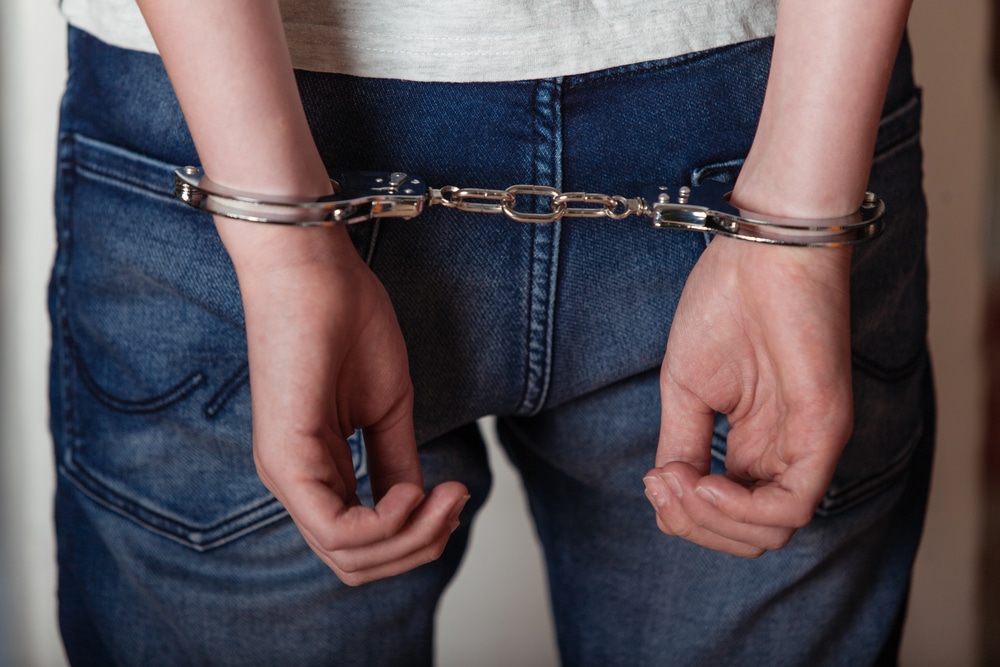
In Florida, juvenile offenses cover a wide range of illegal behaviors committed by individuals under the age of 18. While some of these offenses are relatively minor, others can lead to serious legal consequences and long-term effects on a young person’s future.
Among the most common juvenile offenses are theft-related crimes. Many minors are arrested for shoplifting, petty theft, or stealing personal items from others. These actions are often driven by peer pressure, thrill-seeking behavior, or a lack of understanding of the consequences. Even when the value of the stolen item is low, the courts treat these charges seriously.
Vandalism is another frequent offense among juveniles. It includes acts like graffiti, breaking windows, damaging vehicles, or destroying public property. Teenagers may commit vandalism as a form of rebellion to gain attention or impress their peers. However, property damage can result in criminal charges and a financial burden on the offender’s family, particularly if restitution is ordered.
Drug-related offenses are also common. Many minors are caught possessing marijuana, prescription drugs, or vaping products containing THC. Even though Florida has legalized certain medical uses of marijuana, possession by a minor without a prescription is still illegal. Drug offenses can have long-term consequences, including school discipline, loss of scholarships, and involvement with the juvenile justice system.
Underage drinking is another issue frequently encountered by law enforcement. Teens may be caught possessing or consuming alcohol at parties, in vehicles, or in public places. It is especially dangerous when it leads to driving under the influence or alcohol-related accidents. Florida has strict laws regarding underage drinking, and violations can result in license suspension, community service, or mandatory education programs.
Assault and battery offenses are also seen among Florida youth. These involve physical altercations with other students, teachers, or individuals in the community. In some cases, what begins as a simple fight can escalate into a criminal charge, especially if someone suffers an injury, which is why courts take the penalties for assault and battery in Florida very seriously.
In addition to assault or vandalism, some minors may face charges for harassment or threats, which can even lead to a stalking injunction in Florida depending on the behavior. Courts may also issue a repeat violence injunction in Florida when juveniles are involved in ongoing altercations or patterns of aggressive conduct.
While the juvenile justice system often focuses on rehabilitation rather than punishment, repeated offenses or serious crimes can lead to harsher penalties.
How Do Courts in Florida Handle Juvenile Cases?
In Florida, juvenile crimes are handled differently from adult crimes. The juvenile justice system is designed to focus on rehabilitation rather than punishment, based on the belief that young people have the ability to learn from their mistakes and make positive changes. When a minor is accused of committing a crime, the process begins with an arrest or a notice to appear in court. Law enforcement officers may choose to release the juvenile to their parents, refer the case to a diversion program, or take the juvenile to a detention center, depending on the seriousness of the offense.
After an arrest, the Department of Juvenile Justice (DJJ) assesses the juvenile’s risk level and recommends whether they should be detained or released while awaiting further court action. A detention hearing is usually held within 24 hours to decide whether the juvenile should remain in custody. If the court finds that detention is necessary, the minor can be held up to 21 days before the next court hearing.
The State Attorney’s Office then reviews the case and decides how to proceed. In some cases, the juvenile may be offered a diversion program, which allows them to avoid formal charges by completing counseling, community service, or other requirements. If successful, the charges may be dismissed. If the case proceeds to court, it is usually handled in juvenile court, where the judge may order probation, counseling, restitution, or placement in a residential facility.
For more serious crimes, such as violent felonies, a juvenile can be tried as an adult. Florida law allows prosecutors to transfer certain cases to adult court, which can result in harsher penalties, including prison time. This decision is often based on the juvenile’s age, criminal history, and the nature of the offense.
Throughout the process, the court considers the minor’s best interests, public safety, and the goal of reducing future offenses. Judges have broad discretion in determining appropriate outcomes, and many efforts are made to provide support, education, and treatment. Ultimately, Florida’s juvenile justice system aims to hold young offenders accountable while giving them a second chance to become productive members of society.
Possible Penalties and Collateral Consequences of a Juvenile Crime Conviction in Florida
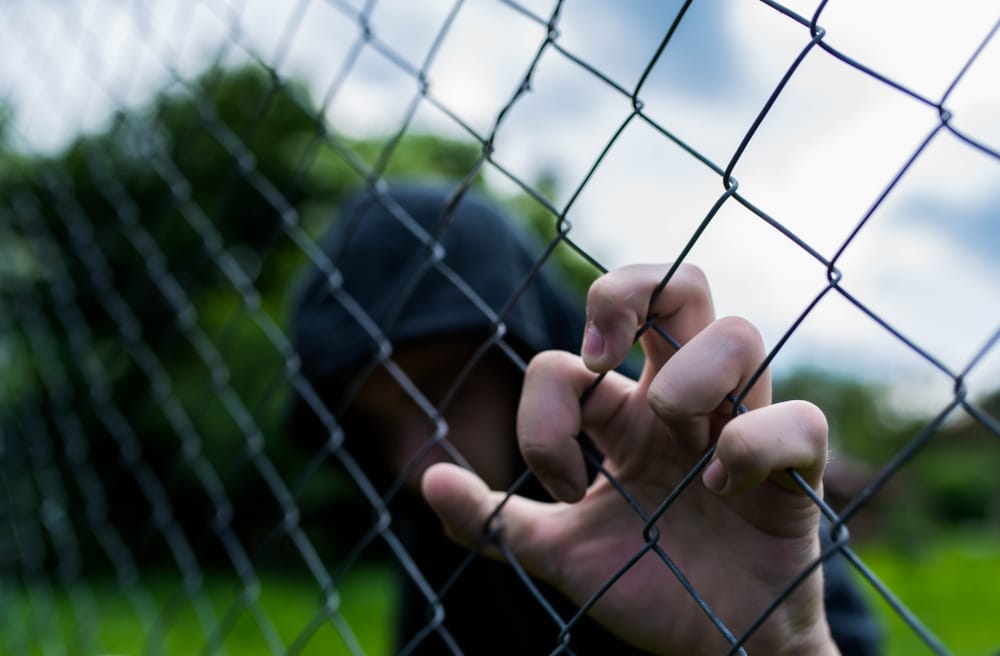
In Florida, a juvenile conviction—officially called an adjudication of delinquency—can lead to legal penalties and long-term consequences. While the juvenile justice system focuses more on rehabilitation than punishment, a conviction can still have a serious impact on a young person’s life.
Legal penalties for a juvenile conviction depend on the severity of the offense and the minor’s prior record. Common penalties include probation, community service, restitution to victims, mandatory counseling, and participation in educational or treatment programs. The court may place the juvenile in a residential facility for more serious offenses, ranging from low-risk programs to high-security placements that last several months or even years. In extreme cases, such as violent felonies or repeat offenses, a juvenile can be charged as an adult, making the difference between a felony and a misdemeanor especially important for understanding potential consequences. This might result in prison time and a permanent criminal record.
Even after serving the sentence, a juvenile may face collateral consequences that affect their future. One major consequence is a criminal record, which—even though it is sealed from public view in many cases—can still be accessed by law enforcement, courts, and certain employers. This record can make it harder for a young one to get into college, receive scholarships, or qualify for military service. It may also impact their ability to get a job, especially in professions requiring background checks or licenses.
Some juvenile convictions can also lead to a driver’s license suspension or revocation. This can make it difficult for a young person to get to school or work, increasing the chances of further problems. In some cases, families may face housing issues if they live in public housing and a juvenile in the household is convicted of certain crimes.
A juvenile conviction can also affect immigration status, potentially leading to deportation for non-citizens. Beyond the legal penalties, the social stigma and emotional toll of being involved in the justice system can damage a young person’s self-esteem, relationships, and opportunities for growth.
Because of these serious consequences, it is important for juveniles and their families to work with an experienced defense attorney who understands Florida’s juvenile laws and can help protect the child’s future while navigating the legal process.
Possible Defenses to Juvenile Crimes in Florida
When a juvenile is charged with a crime in Florida, several possible legal defenses can be used to challenge the charges or reduce the penalties. These defenses depend on the case’s specific facts, the nature of the alleged offense, and the juvenile’s age, intent, and behavior at the time of the incident. An experienced juvenile defense attorney can help identify which defenses apply and work to protect the young person’s rights and future.
- One common defense in juvenile cases is a lack of intent. Many crimes require that the accused had the intention to commit the illegal act. If the juvenile did not understand the consequences of their actions or did not mean to break the law, their attorney may argue that criminal intent was not present. For example, if a child accidentally took an item from a store without realizing it, they may not be guilty of theft.
- Mistaken identity is another defense. Sometimes juveniles are wrongly accused because they resemble someone else or were in the wrong place at the wrong time. If there is no clear evidence that the juvenile committed the offense, their attorney can argue that law enforcement arrested the wrong person.
- Lack of evidence is a strong defense in many juvenile cases. The prosecution must prove beyond a reasonable doubt that the juvenile committed the crime. The case may be dismissed if there are no witnesses, physical evidence, or weak evidence.
- In some cases, the defense may claim that the juvenile’s rights were violated during the arrest or investigation. For example, if law enforcement did not read the juvenile’s Miranda rights, conducted an illegal search, or used coercion during questioning, any evidence obtained may be thrown out.
- Self-defense may apply when the juvenile was protecting themselves or someone else from harm. This defense is often used in assault or battery cases, especially when the juvenile did not start the fight.
- Another potential defense is mental incapacity or lack of understanding due to age or developmental conditions. If the child was too young or mentally impaired to understand their actions fully, the court may not hold them legally responsible.
Each juvenile case is unique, and the right defense can make a big difference in the outcome.
How Can a Juvenile Crimes Attorney in Florida Handle Your Case?
When a young person is charged with a crime in Florida, having a knowledgeable juvenile crimes attorney can make a big difference in how the case is handled and its outcome. Juvenile law differs from adult criminal law, and a skilled attorney understands the justice system’s unique rules, procedures, and goals. Their main goal is to protect the minors’ rights, defend them against the charges, and guide them toward a better future.
One of the first things a juvenile defense lawyer does is carefully review the case’s charges and facts. They investigate what happened, gather evidence, speak to witnesses, and look for any mistakes made by law enforcement. For example, if the police violated the juvenile’s rights during the arrest, such as failing to read Miranda rights or conducting an illegal search, the attorney can get key evidence thrown out or even have the case dismissed.
An experienced lawyer also knows how to negotiate with prosecutors. They can convince the state to reduce the charges, recommend a lighter sentence, or refer the juvenile to a diversion program instead of going to court. Diversion programs are designed to help minors take responsibility for their actions without giving them a criminal record. These programs often involve counseling, community service, or education classes.
If the case goes to court, the attorney will present a strong defense based on the evidence and the specific facts. They may argue that the juvenile lacked intent, acted in self-defense, or was wrongly accused. They will also present information about the child’s background, school performance, and personal challenges to show the judge that the minor deserves another chance.
A knowledgeable attorney helps families understand the process and what to expect at each stage. Juvenile court can be confusing and stressful, but a good lawyer provides guidance, support, and honest advice every step of the way.
In the end, a skilled juvenile crimes attorney in Florida works not only to protect the minor’s legal rights but also to help them avoid a criminal record and move forward with their life in a more positive direction.
FAQs
Q: Why do I need a lawyer for a juvenile crime case in Florida?
A: A lawyer protects the minor’s rights and helps navigate the complex juvenile system. They work to secure the best possible outcome, focused on rehabilitation and minimizing long-term consequences.
Q: How are juvenile crimes handled differently from adult crimes?
A: Juvenile cases prioritize rehabilitation over punishment and are processed in separate courts with confidentiality protections.
Q: Can a juvenile be tried as an adult?
A: Yes, for serious crimes like violent felonies. A judge reviews the case to decide if transfer to adult court is appropriate.
Q: Are juvenile records public?
A: No. Juvenile records are typically confidential and can be sealed or expunged.
Q: What kind of penalties can a juvenile face?
A: Common penalties include probation, community service, counseling, detention, or placement in juvenile facilities.
Q: Can parents be involved in the case?
A: Yes. Parents or guardians usually participate in hearings and help support the minor.
Call an Experienced Juvenile Crimes Attorney Right Away

If you or a person you love is facing a juvenile charge in Florida, you need a strong juvenile crimes defense attorney on your side right away. A skilled lawyer can review the charge, formulate possible legal defenses, and represent you during all court appearances. They will aggressively advocate on your behalf and pursue the best possible result in your case.