
Sexual Violence Injunction
Florida Attorneys
Serving You and The State of Florida
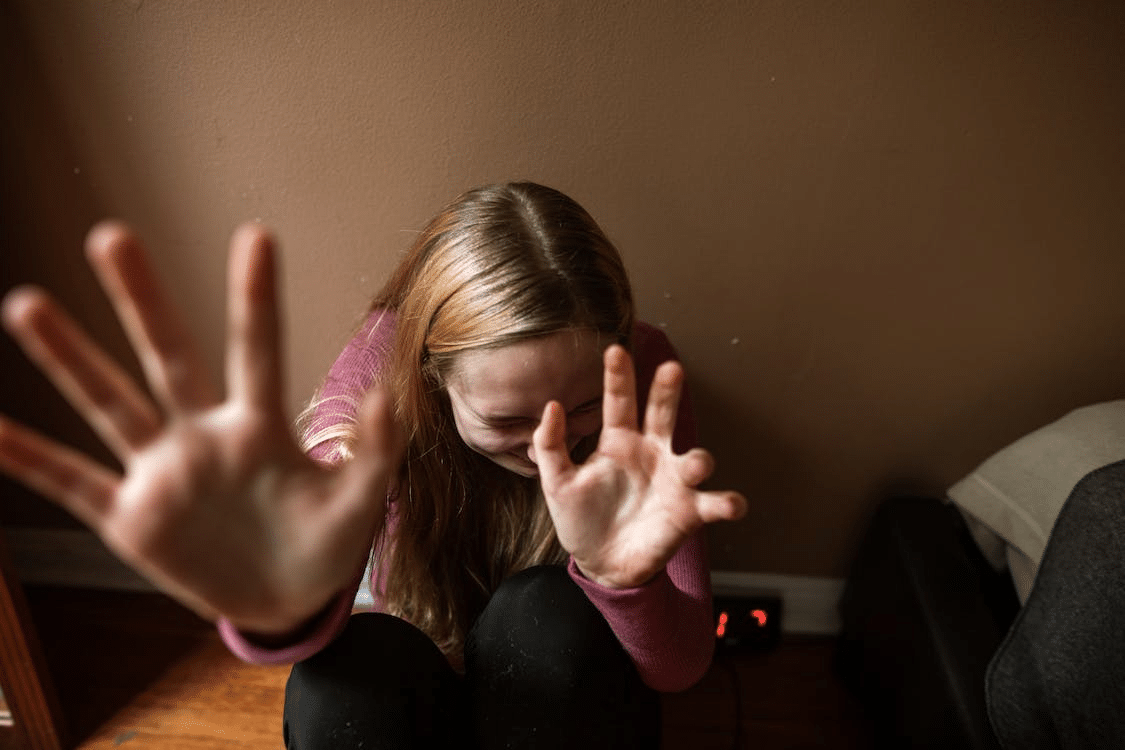
A sexual violence injunction is a court order meant to protect someone who claims to be a victim of sexual violence. It can be filed even if no criminal charges are brought, and strict limits may be placed on your contact with the person who filed it. These limits can include staying away from their home, school, or job, and having no communication of any kind.
If one of these injunctions has been issued against you, a skilled criminal defense attorney can work to protect your rights. Your lawyer will review the evidence, prepare your defense, and represent you at the hearing. They can also challenge false or exaggerated claims and present your side of the story with facts, witnesses, or documents. A strong legal defense can lead to the injunction being denied, dismissed, or modified, helping you avoid serious personal, professional, and legal consequences.
What is a Sexual Violence Injunction, and When Is One Issued?
A sexual violence injunction is a type of court order meant to protect someone who claims to be a victim of sexual violence. It is a civil action filed by a person who fears future harm or contact from someone who allegedly committed a sexually violent act against them. This legal action does not require a criminal charge or conviction. Instead, it focuses on the victim’s fear of future harm and the need for protection.
To get this kind of injunction, the person asking for it must show that a specific act of sexual violence occurred. This could include acts like sexual battery, lewd or lascivious behavior, or luring or enticing a child. The person requesting protection must also show that they reported the incident to law enforcement or that the person who committed the act was sentenced to prison and is getting out or is already out. The court then decides whether to issue a temporary injunction first, usually without the accused being present. A full hearing is later scheduled, where both sides can tell their story.
An injunction can be issued against someone even if they were never charged with a crime. The court does not need proof beyond a reasonable doubt, as in criminal cases. Instead, it uses a lower standard of proof—called a preponderance of the evidence—which means it is more likely than not that the act happened. If the judge believes that the victim’s fear is reasonable and based on a real event, the court can issue a long-term or permanent injunction.
Once the injunction is granted, the person it is issued against must follow strict rules. These may include no contact with the victim, staying away from their home or job, and giving up firearms. Violating the injunction can lead to criminal charges and arrest.
This kind of court order can be issued even when there is little physical evidence. It is based mainly on the testimony and fear of the person asking for protection. That is why it is important for the accused to respond to the case, attend the hearing, and provide evidence or witnesses to defend themselves.
Common Types of Sexual Violence Injunction Violations

The most common types of sexual violence injunction violations often involve direct or indirect contact with the person protected by the order. These violations usually happen when the person against whom the injunction is issued does not follow the specific terms set by the court. One of the most frequent violations is contacting the protected person in any way. This includes calling, texting, emailing, or sending messages through social media. Even a brief or seemingly harmless message can count as a violation if any contact is prohibited.
Another common violation is being physically present near the protected person. If the injunction orders someone to stay a certain distance away—like 500 feet—from the protected person’s home, workplace, school, or other specified location, then showing up at any of those places can violate the order. This includes unplanned encounters where the accused person stays at the location after noticing the other person is there.
Stalking is also a common type of violation. This can involve following the protected person, repeatedly appearing in places they frequent, or engaging in behavior that causes them fear or emotional distress. Stalking may be done in person or through repeated unwanted online communication. Even showing up at a public place to watch the protected person without making contact can be considered a violation if it causes the person fear or discomfort.
Sending messages through third parties is another frequent issue. If the person under the injunction asks a mutual friend or family member to pass along a message, that is often seen as indirect contact and violates the terms of the injunction. The same rule applies to gifts, letters, or any other attempts at communication through someone else.
Violations can also include posting about the protected person on social media, even without naming them directly. If the posts are threatening, harassing, or clearly refer to the protected person, they may count as a violation. Finally, being near or attempting to contact the person during court hearings, shared custody exchanges, or in public settings like stores or restaurants can also count as violations, especially if those situations are addressed in the injunction or lead to unwanted contact.
What are the Potential Consequences of Violating a Sexual Violence Injunction?
Violating a sexual violence injunction can lead to serious legal consequences. These orders are issued by a judge to protect someone from further harm, and the court expects them to be followed strictly. When someone violates any part of the injunction, it is treated as a criminal offense, even though the injunction itself is part of a civil case. One of the most common outcomes of a violation is being arrested. If law enforcement has probable cause to believe that the order was broken, they can make an arrest immediately without needing a warrant.
Once arrested, the person accused of violating the injunction may face criminal charges. The violation is typically treated as a first-degree misdemeanor, which can result in jail time and a fine if there is a conviction. In more serious situations—such as repeated violations or when the violation includes stalking, threats, or violence—the charges may be increased to a felony. Felony charges carry longer jail or prison sentences, higher fines, and more severe long-term effects.
Beyond criminal penalties, there are other consequences that can impact a person’s life. A violation can be used against someone in other court cases, like family law matters involving child custody or divorce. Judges in those cases may view the person as dangerous or unable to follow court orders, which can affect decisions about custody, visitation, or shared parenting responsibilities. A record of violating an injunction can also harm someone’s reputation, job opportunities, and housing applications.
The court may also take steps to modify or strengthen the original injunction. For example, the judge may extend the length of the order or add new restrictions. These could include more distance requirements, stricter no-contact rules, or mandatory counseling. The person who violated the injunction may also be ordered to appear in court more frequently for monitoring.
Finally, even accidental or unintentional contact can be treated as a violation if it goes against the terms of the injunction. Courts generally do not accept excuses such as “I didn’t mean to” or “It was a coincidence.” Because of this, it is important for someone who is subject to a sexual violence injunction to fully understand and follow every part of it to avoid serious and lasting consequences.
Defenses You Can Raise in Response to a Sexual Violence Injunction
If a sexual violence injunction has been issued against you, there are several defenses you may be able to raise to challenge it. These cases are civil matters, but they can have serious long-term effects on your rights and reputation. To defend yourself, you must present clear evidence or testimony that questions the claims made by the person who filed the petition.
One possible defense is that the alleged act of sexual violence never occurred. If there were no witnesses, police reports, or physical evidence, you may be able to argue that the allegations are false or exaggerated. In some cases, the other party may be motivated by personal conflict, revenge, or an effort to gain an advantage in a separate legal case, such as a custody dispute.
Another defense is mistaken identity. You can argue that you were not the person who committed the act or that the accuser misidentified you. If you have an alibi or evidence showing you were in another location at the time, it may show that you could not have committed the alleged act.
Lack of proper notice or due process can also be a defense. If you were not properly informed of the injunction or were denied a chance to attend the hearing and present your side, the court may reconsider the order. Procedural mistakes in how the injunction was handled could work in your favor.
You may also argue that there is not enough evidence to support the injunction. In these cases, the court uses a lower standard of proof than in criminal court. However, the judge still needs enough believable evidence to decide in favor of the person requesting protection. If their story is inconsistent or not supported by facts, the judge may dismiss the injunction.
If you never had any contact or relationship with the person, and the event was isolated or misinterpreted, that can also be used as a defense. You can show that there is no ongoing risk or reason for the court to keep the order in place.
Presenting evidence such as text messages, emails, witness testimony, or video footage can support your defense. It is important to speak clearly and respectfully during the hearing and explain your side of the story with as much detail and proof as possible.
How Can a Lawyer Help if a Sexual Violence Injunction Has Been Issued Against You?

One of the first things your attorney will do is carefully review the allegations made against you. They will examine the petition, any police reports, witness statements, and other evidence to look for weaknesses or inconsistencies. If the person who filed the injunction has made false or exaggerated claims, your attorney can gather proof to challenge their story.
A criminal defense lawyer will also make sure your side of the case is heard. At the final hearing, both sides have the chance to present evidence and question witnesses. Your attorney can prepare your testimony, gather documents, call witnesses to support your version of events, and cross-examine the other side’s witnesses to test their credibility.
An attorney can also advise you on how to avoid violating the injunction. Sometimes, people don’t fully understand the restrictions placed on them and accidentally break the rules. Your lawyer will explain the terms clearly and help you follow them to avoid further legal problems.
If the injunction was issued without your knowledge, your attorney can request a new hearing and ask the court to reconsider the decision. If you were denied your right to due process, your lawyer may also be able to argue that the injunction should be dismissed for legal reasons.
In addition, a skilled attorney can look at the bigger picture. If the injunction is connected to a criminal investigation or a family law matter, your defense lawyer can coordinate your defense across all areas. They will work to protect not only your legal rights but also your reputation, job, and future.
Having a knowledgeable defense attorney by your side can make a major difference in the outcome of your case. They understand the law, know how to challenge accusations, and can build a strong, respectful defense in court.
Speak to an Experienced Criminal Defense Lawyer Today
If a sexual violence injunction has been issued against you, you need legal help right away. A skilled criminal defense attorney in St. Petersburg, Florida, can meet with you to discuss your circumstances and go over your legal options. Throughout the process, they will work hard to protect your rights and secure the best result in your criminal case.
Practice Areas
What Our Clients Say

A Godsend
Mr. Lopez was a Godsend and really helped me with my situation. Him and the entire firm were very diligent and helped speed the early stages of the process along due to a pressing situation. Throughout my experience working with the firm, they were always responsive and available any time I had a question or wanted to check on the state of affairs. Hopefully I won’t have to recommend Lopez Law Group to my friends or family, but if those unfortunate circumstances arise then there’s only one name I would trust. Thank you again for all your help!
Lopez Law Group Can See You Through Cases Like:




Don't See What You Need?
AS SEEN ON:





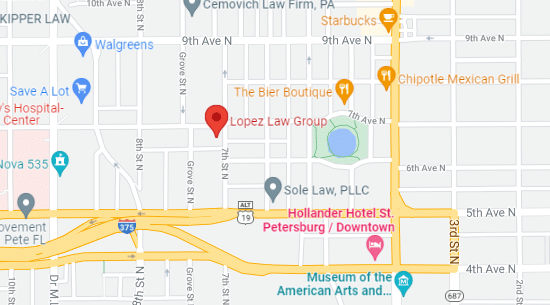
Lopez Law Group
700 7th Ave N, Suite A,
St. Petersburg, FL 33701
P: 727-933-0015
Business Hours
Mo, Tu, We, Th, Fr
Schedule a Call Back
Book a Consultation